
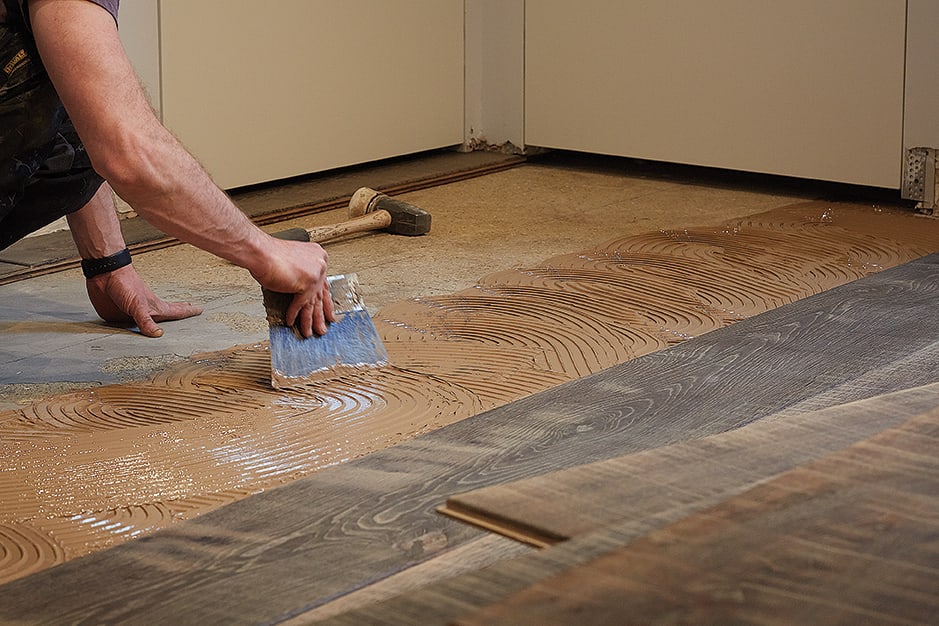
mber floors are a defining feature in Australian commercial spaces. From retail showrooms in Melbourne to corporate offices in Sydney and hospitality venues in Perth, timber flooring signals quality, warmth, and brand sophistication. However, maintaining these surfaces in high-traffic environments requires more than routine cleaning.
This is where commercial timber floor care Australia becomes essential.
In commercial settings, timber floors endure constant foot traffic, furniture movement, moisture exposure, and environmental fluctuations. Without professional care, even premium hardwood deteriorates quickly leading to costly repairs, safety risks, and reputational damage.
This article outlines professional-grade strategies, current industry standards, and practical insights tailored to Australian conditions. Whether you manage a retail chain, corporate facility, hospitality venue, or educational institution, this resource provides a clear, modern framework for protecting your investment.
What Is Commercial Timber Floor Care Australia?
Commercial timber floor care Australia refers to specialised maintenance, restoration, and protective services designed specifically for timber floors in commercial environments across Australian cities such as Sydney, Melbourne, and Perth.
Unlike residential timber maintenance, commercial care involves:
- High-frequency cleaning systems
- Professional-grade polishing and recoating
- Deep sanding and refinishing
- Moisture and humidity management
- Slip resistance compliance
- Scheduled preventative maintenance programs
The objective is not just appearance. It’s durability, safety compliance, and lifecycle cost optimisation.
Why Commercial Timber Floor Care Matters in Australia
Australia presents unique environmental and operational challenges for timber floors:
1. Climate Variability
- Sydney’s coastal humidity
- Melbourne’s seasonal fluctuations
- Perth’s dry heat
Timber naturally expands and contracts with moisture and temperature changes. Without professional monitoring and correct coating systems, boards can cup, gap, or warp.
2. High Foot Traffic Density
Retail centres, gyms, medical facilities, and schools generate continuous wear. Micro-scratches accumulate fast and degrade protective finishes.
3. Compliance and Safety Standards
Commercial premises must meet slip resistance and workplace safety standards. Damaged coatings increase risk exposure and liability.
4. Brand Perception
In commercial environments, flooring is a visible asset. Scratched, dull, or uneven timber reflects poorly on business credibility.
Types of Commercial Timber Floors in Australia
Understanding the floor type determines the correct care strategy.
Solid Hardwood Timber
Common in premium retail, corporate offices, and hospitality venues.
Care Considerations:
- Can be sanded multiple times
- Requires professional recoating cycles
- Highly responsive to humidity changes
Engineered Timber
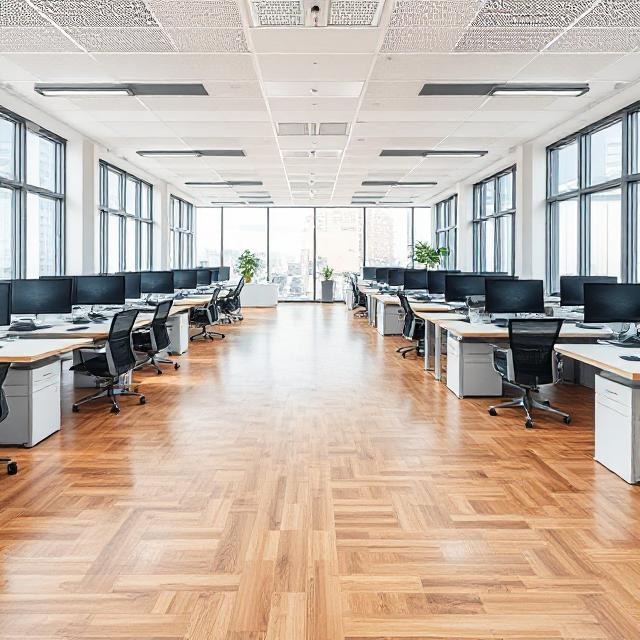
Used widely due to stability and cost efficiency.
Care Considerations:
- Limited sanding depth
- Requires careful coating assessment
- Stable under moderate climate shifts
Parquetry and Decorative Timber

High-end aesthetic flooring in boutique environments.
Care Considerations:
- Precision sanding required
- Requires expert refinishing techniques
- Detail-sensitive restoration
Core Components of Professional Timber Floor Care
1. Commercial-Grade Cleaning Systems
Routine mopping is insufficient for commercial environments.
Professional services use:
- Microfibre dust control systems
- pH-neutral timber-safe cleaning solutions
- Low-moisture cleaning protocols
- HEPA filtration equipment
Excess water is one of the most common causes of timber damage in Australia. Professional cleaning minimises moisture exposure while maintaining hygiene standards.
2. Scheduled Polishing and Recoating
Recoating is proactive protection.
Rather than waiting for finish failure, scheduled recoating:
- Restores protective layers
- Enhances gloss or matte finish
- Prevents deep scratches
- Extends full sanding intervals
In high-traffic commercial zones, recoating may be required every 12–36 months depending on use.
3. Professional Sanding and Refinishing
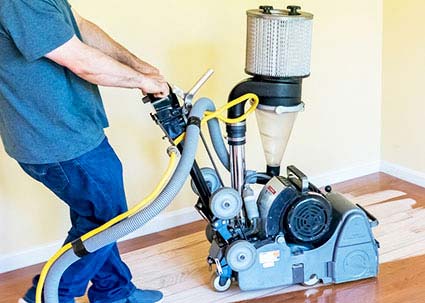
When surface damage penetrates the coating, sanding becomes necessary.
Modern commercial sanding uses:
- Dustless sanding technology
- Industrial-grade sanding machines
- Multi-grit progressive sanding
- Commercial polyurethane or water-based coatings
Refinishing restores:
- Surface integrity
- Visual uniformity
- Slip resistance compliance
- Brand presentation
4. Protective Coating Systems
Current Australian commercial environments favour:
- Water-based polyurethane coatings
- UV-cured finishes
- Low-VOC environmentally responsible coatings
Benefits include:
- Faster curing times
- Reduced business downtime
- Improved air quality
- Higher durability ratings
Preventative Maintenance Strategy for Commercial Timber Floors
Reactive repairs are expensive. A preventative maintenance model delivers superior ROI.
Recommended Framework:
- Daily dust control
- Weekly professional-grade cleaning
- Quarterly inspection audits
- Annual surface assessment
- Scheduled recoating before finish breakdown
This approach prevents structural damage and preserves finish longevity.
Common Problems in Australian Commercial Timber Floors
Surface Scratching
Caused by:
- Grit and sand tracked indoors
- Furniture movement
- Inadequate entry mat systems
Moisture Damage
Triggered by:
- Excess mopping
- Spills left untreated
- HVAC imbalance
Coating Failure
Often due to:
- Cheap finishes
- Delayed maintenance
- Inappropriate cleaning chemicals
Cupping and Warping
Related to:
- Subfloor moisture imbalance
- Climate fluctuations
- Poor installation practices
Professional inspection identifies root causes rather than treating symptoms.
Real-World Example: Retail Fit-Out in Sydney
A high-end fashion retailer in Sydney CBD experienced visible dulling and micro-scratches within 18 months of installation. Instead of full sanding, a strategic screen-and-recoat process was implemented:
- Surface abrasion
- Application of commercial-grade polyurethane
- Slip resistance test verification
The result:
- 70% lower cost than full refinishing
- 3-day project turnaround
- Extended lifespan by 4–5 years
This highlights how proactive commercial timber floor care Australia reduces operational disruption.
Trends in Commercial Timber Floor Care Across Australia
Low-VOC and Sustainable Coatings
Environmental responsibility is now standard. Many Melbourne and Perth businesses prioritise green building compliance.
Dust-Free Sanding Technology
Improves indoor air quality and reduces post-service cleanup.
UV-Cured Coatings
Allows faster reopening of commercial spaces.
Smart Maintenance Scheduling
Digital inspection tracking and asset management systems optimise floor lifecycle planning.
Cost Considerations
Commercial timber floor care costs depend on:
- Floor size
- Timber type
- Damage severity
- Coating system selected
- Location (Sydney, Melbourne, Perth)
Indicative cost structure:
- Professional cleaning: Moderate recurring investment
- Recoating: Mid-range maintenance cost
- Full sanding & refinishing: Higher but infrequent investment
When calculated over 10–15 years, structured maintenance is significantly more economical than reactive replacement.
Frequently Asked Questions
How often should commercial timber floors be refinished?
Most commercial spaces require recoating every 1–3 years and full sanding every 7–15 years, depending on traffic intensity.
Is commercial timber floor care different from residential care?
Yes. Commercial environments require stronger coatings, stricter maintenance schedules, and compliance with safety standards.
Can timber floors be maintained without disrupting business?
Yes. Modern water-based and UV-cured coatings significantly reduce downtime.
Does climate affect timber floors in Australia?
Absolutely. Humidity and temperature shifts in Sydney, Melbourne, and Perth directly influence timber expansion and contraction.
Choosing the Right Professional Service Provider
When selecting a commercial timber floor specialist, evaluate:
- Experience in large-scale commercial projects
- Use of dust-controlled sanding systems
- Knowledge of Australian timber species
- Compliance with safety standards
- Transparent maintenance plans
A reputable provider will conduct site assessments and propose lifecycle strategies not just one-off services.
Long-Term Value of Professional Commercial Timber Floor Care
Timber flooring is not a short-term asset. With correct maintenance:
- Lifespan extends beyond 25 years
- Repair costs remain controlled
- Visual appeal supports brand positioning
- Workplace safety improves
- Property value increases
Investing in professional commercial timber floor care Australia ensures performance, safety, and consistent presentation.
Conclusion
Commercial timber floors are a premium asset in Australian business environments. However, without structured maintenance, their durability and appearance decline quickly under high traffic and climate stress.
Commercial timber floor care Australia provides a systematic approach that includes professional cleaning, protective recoating, advanced sanding, and preventative maintenance planning.
For businesses in Sydney, Melbourne, and Perth, investing in proactive timber floor care is not optional—it is strategic asset management.
If you manage a commercial property and want to protect your timber flooring investment, consider scheduling a professional assessment and implementing a long-term maintenance program. High-performance floors support high-performance businesses.