
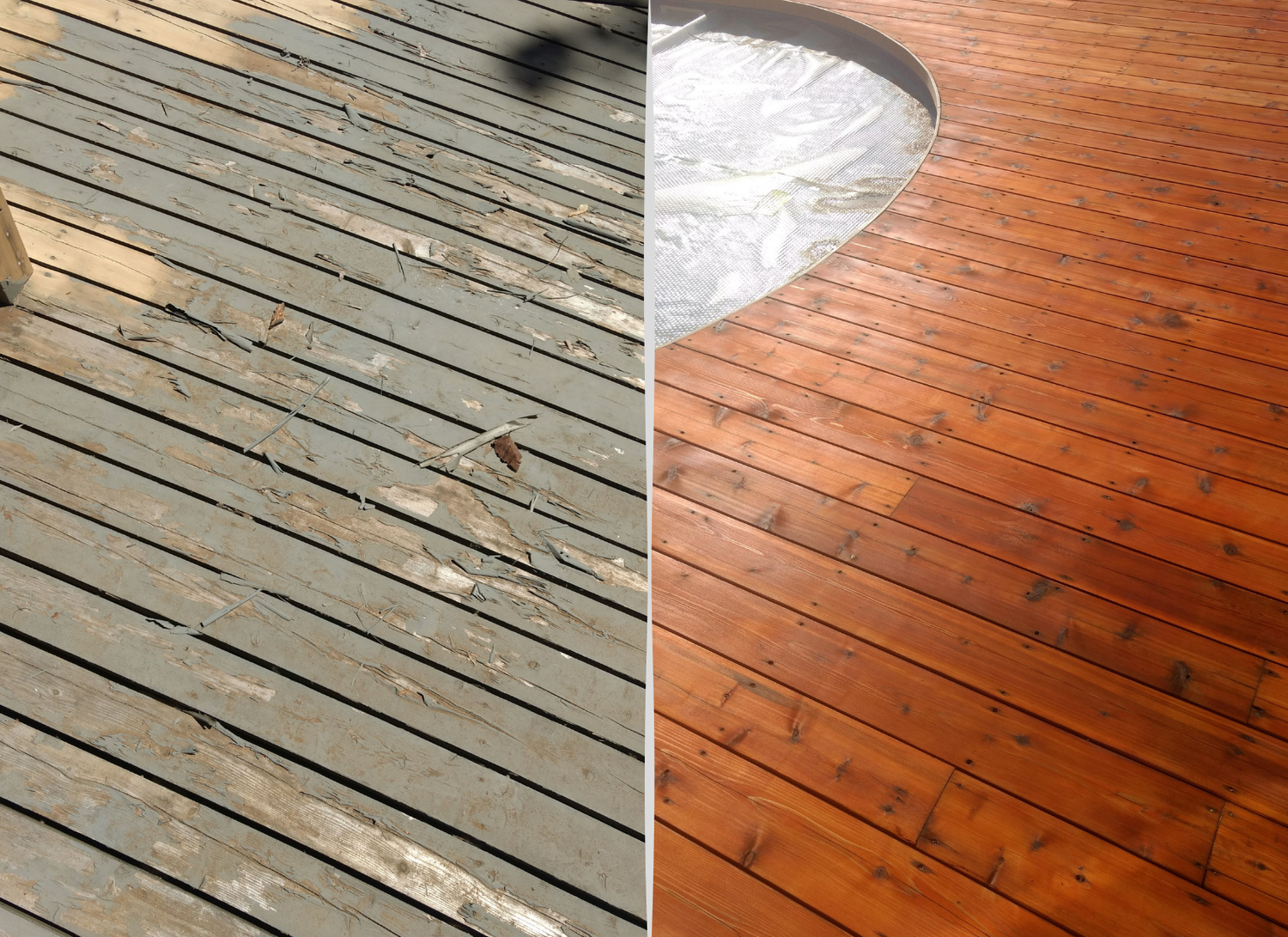
Timber decks are a defining feature of Sydney homes. From coastal balconies in the Eastern Suburbs to expansive backyard decks in Western Sydney, outdoor living is part of our lifestyle. But harsh UV exposure, humidity swings, salt air, and heavy rainfall can quickly degrade unprotected timber.
That’s where deck oiling becomes essential. When done correctly, it protects the timber structure, enhances natural grain, and extends the life of your deck significantly. At 5 Star Wood Care Sydney, timber preservation isn’t just surface treatment, it’s a technical process grounded in timber science, environmental conditions, and professional application standards.
This article explains what deck oiling is, why it matters in Sydney’s climate, how professionals approach it, and what homeowners need to know to keep their outdoor timber looking premium year-round.
What Is Deck Oiling?
Deck oiling is the process of applying penetrating timber oils to outdoor decking boards to nourish, protect, and stabilise the wood. Unlike film-forming coatings such as varnish or paint, decking oils soak into the timber fibres rather than sitting on top.
The goal is simple but critical:
- Reduce moisture absorption
- Minimise UV damage
- Prevent cracking and warping
- Enhance natural timber colour and grain
Most Australian decks are built using hardwoods such as spotted gum, merbau, blackbutt, or treated pine. These timbers expand and contract with moisture and temperature shifts. A high-quality decking oil regulates that movement and reduces stress within the timber fibres.
Why Deck Oiling Is Critical in Sydney’s Climate
Sydney’s environmental conditions are demanding on exposed timber surfaces. Let’s break down the key factors:
1. Intense UV Radiation
Australia has some of the highest UV levels globally. UV rays break down lignin — the compound that binds wood fibres together. This leads to greying, splintering, and surface degradation.
2. Moisture Fluctuations
Coastal humidity, heavy storms, and rapid drying periods cause timber to expand and contract. Without protection, this leads to:
- Surface cracking
- Cupping
- Nail popping
- Structural weakening
3. Salt Air (Coastal Areas)
Salt accelerates timber drying and surface erosion. Decks near the beach require more frequent maintenance.
Professionally applied decking oil creates a breathable barrier. It allows timber to release internal moisture while blocking excessive external water penetration. That balance is what keeps a deck structurally sound.
The Science Behind Timber Oils
Not all decking oils are equal. Modern formulations typically contain:
- Natural plant oils (linseed, tung oil)
- Synthetic resins for durability
- UV inhibitors
- Mould and mildew resistance agents
- Pigments for colour stability
Penetrating oils bond within timber cells, reinforcing fibre structure and reducing capillary water uptake. Pigmented oils offer stronger UV protection than clear finishes because the added colour reflects sunlight more effectively.
At 5 Star Wood Care Sydney, product selection depends on timber species, deck age, sun exposure, and foot traffic levels. This tailored approach ensures longevity rather than a temporary cosmetic result.
Types of Decking Oils Used in Sydney
Oil-Based Decking Oils
These penetrate deeply and are ideal for dense Australian hardwoods like merbau. They enhance colour richness and provide strong durability.
Water-Based Decking Oils
Low odour and fast drying. They offer easier cleanup and improved environmental performance. Suitable for residential settings requiring minimal downtime.
Hybrid Oils
Combine the penetration of oil-based products with the durability of acrylic components. These are increasingly popular for high-traffic decks.
Choosing the correct system depends on exposure levels and client expectations regarding appearance and maintenance frequency.
The Professional Deck Oiling Process
A long-lasting finish depends more on preparation than application. Professional services follow a structured workflow:
Step 1: Timber Assessment
Inspect for:
- Rot
- Structural weakness
- Previous coating compatibility
- Moisture content levels
Step 2: Deep Cleaning
Pressure washing at controlled PSI prevents fibre damage while removing dirt, mould, and oxidised timber.
Step 3: Timber Brightening
An oxalic acid-based brightener restores pH balance and neutralises cleaning agents. This improves oil penetration and colour clarity.
Step 4: Sanding (If Required)
Removes splinters and opens grain for even absorption.
Step 5: Oil Application
Applied with decking applicators or brushes, following grain direction. Even saturation is critical. Excess oil must be back-brushed to prevent sticky patches.
Step 6: Curing
Drying times vary depending on humidity and product type. Proper curing ensures durability.
Professionally executed deck oiling can last 12–24 months depending on exposure conditions.
How Often Should a Sydney Deck Be Oiled?
Maintenance frequency varies:
- Full sun exposure: every 12 months
- Partial shade: every 12–18 months
- Covered decks: up to 24 months
High-traffic areas may require more frequent top-ups.
A simple water test can help determine timing. If water beads on the surface, protection is still active. If it soaks in quickly, re-oiling is required.
Benefits of Regular Deck Oiling
Regular maintenance delivers measurable advantages:
- Extends deck lifespan by reducing structural decay
- Prevents costly board replacements
- Enhances property value
- Improves safety by reducing splintering
- Maintains aesthetic appeal
Timber replacement costs in Sydney can be substantial. Preventative care is significantly more cost-effective than structural repairs.
Common Mistakes Homeowners Make
Many DIY attempts fail due to:
- Oiling over dirty or damp timber
- Applying oil in direct midday sun
- Using incompatible products over old coatings
- Over-applying oil, causing sticky surfaces
- Ignoring deck screws and substructure inspection
Professional services eliminate these risks and ensure even, durable coverage.
Environmental and Sustainability Considerations
Modern timber maintenance aligns with sustainability goals. Maintaining existing hardwood decking reduces demand for new timber harvesting.
Water-based and low-VOC decking oils reduce environmental impact. Proper maintenance also prevents premature disposal of decking materials.
Sydney homeowners increasingly prioritise eco-conscious property management, and professional deck oiling supports that shift.
Real-World Case Insight
A Northern Beaches client had a 5-year-old spotted gum deck severely greyed from UV exposure. Boards showed early-stage cracking but were structurally sound.
After professional cleaning, brightening, sanding, and two coats of premium pigmented oil:
- Colour was restored
- Surface cracks were stabilised
- Water resistance improved significantly
Follow-up inspection after 12 months showed minimal wear, confirming correct product selection and preparation were key to performance.
Cost Considerations in Sydney
Pricing varies based on:
- Deck size
- Timber species
- Condition
- Access constraints
- Required preparation
While DIY may appear cheaper initially, incorrect application often leads to accelerated deterioration. Professional services provide controlled application, premium materials, and longer performance cycles.
Current Trends in Timber Deck Maintenance
Timber maintenance in Sydney is evolving:
- Increased use of UV-pigmented oils
- Preference for low-sheen natural finishes
- Hybrid oil technologies for longer intervals
- Greater awareness of preventative maintenance
Homeowners now prioritise longevity and sustainable upkeep over short-term cosmetic results.
Frequently Asked Questions
Does deck oiling make the deck slippery?
When correctly applied and fully cured, decking oil does not create a slippery film. Over-application can cause issues, which is why correct technique matters.
Can you oil a deck in winter?
Yes, but temperature and humidity must be within manufacturer guidelines. Professional scheduling considers weather forecasts.
Is oil better than stain?
Penetrating oils are generally better suited to Australian hardwoods because they move with the timber rather than forming a rigid surface film.
Can old decks be restored?
In many cases, yes. Provided structural integrity remains intact, professional restoration can revive heavily weathered decks.
Why Choose 5 Star Wood Care Sydney?
At 5 Star Wood Care Sydney, timber treatment is handled with technical precision and local climate expertise. Each project involves:
- Timber species analysis
- Moisture testing
- Professional-grade equipment
- Premium oil systems
- Detailed finishing
This ensures consistent results aligned with Australian standards and long-term performance expectations.
Conclusion: Protect Your Deck the Right Way
A timber deck is a lifestyle investment in Sydney homes. Without consistent protection, exposure to UV, moisture, and salt air can shorten its lifespan dramatically.
Professional deck oiling preserves structural integrity, enhances natural timber beauty, and reduces long-term costs. With correct preparation, high-performance oils, and scheduled maintenance, your deck can remain durable and visually striking for years.
If your deck shows signs of fading, greying, or water absorption, it may be time for expert care. Contact 5 Star Wood Care Sydney to assess your deck and implement a tailored maintenance strategy that protects your outdoor space properly.